

Inflammation
Define inflammation
Inflammation is a non-specific response triggered by either microorganism invasion or tissue injury.
Describe the process of inflammation
Recognition of tissue damage
Typically caused by tissue injury or infection.
- tissue injury → blood vessel disruption → mast cell degranulation and platelet activation
- infection
- macrophages and granulocytes identify an invader leading to:
- phagocytosis
- macrophage cytokine release (e.g. IL-6, TNF-α)
- mast cell and granulocyte degranulation with release of inflammatory mediators (more cytokines, ECFA, NCF, histamine, prostaglandin, leukotrienes)
- activation of complement
- macrophages and granulocytes identify an invader leading to:
- NK cells detect abnormal cells (e.g. absence of MHC), inducing apoptosis and secreting cytokines
Local inflammatory response
Release of inflammatory mediators causes:
- vasodilation and increased vascular permeability
- increases blood supply, which delivers oxygen, nutrients, leucocytes, plasma proteins, and heat
- proteins include complement, lysozymes, antibodies, procoagulants, and anticoagulants
- endothelial expression of cell-surface adhesion molecules
- leads to ‘transmigration’ of leucocytes towards site of injury/infection, enhancing the immune response
- activation of complement
- results in MAC formation, opsonisation of pathogens, chemotaxis, and mast cell and basophil degranulation
Systemic inflammatory response
In severe inflammation, pro-inflammatory cytokines escape into systemic circulation with multiple effects:
- fever augments phagocytosis and inhibits bacterial multiplication
- cytokines stimulate neutrophil release from bone marrow
- cytokines also stimulate the release of acute phase proteins from the liver, which are involved in opsonisation and augmentation of leucocyte functions
Chronic inflammation
Antigen presentation leads to the activation of the acquired immune system, which predominates in chronic inflammation.
The interplay between tissue injury, inflammation and coagulation is partly responsible for the endothelial dysfunction and microvascular thrombi seen in severe inflammatory syndromes such as sepsis. These are some of the mechanisms implicated in multiorgan dysfunction syndrome (MODS).
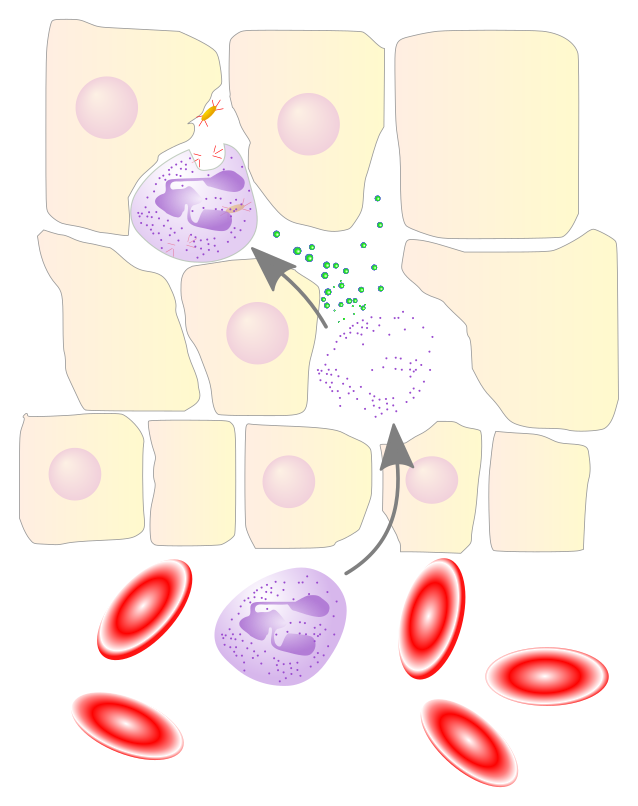
Neutrophils and other leucocytes transmigrate into tissue, where they phagocytose microbes and release inflammatory mediators.